

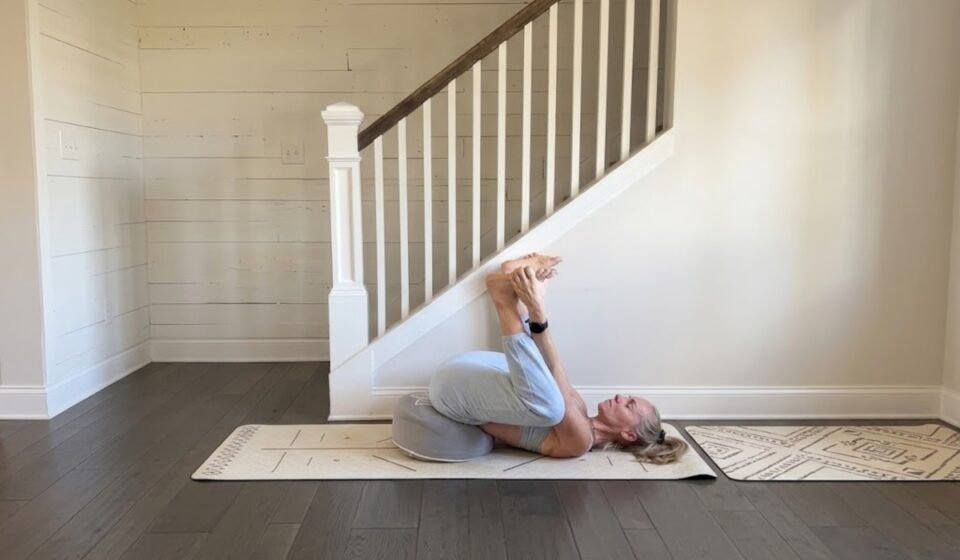

Have you ever sat still for 20 minutes but found yourself moving every two? You understand the issue already. A buckwheat meditation cushion will solve this problem for you. It holds the shape of your hips and knees, sit after sit. For anyone trying to build a daily meditation habit, this one piece of gear changes everything.
The Right Buckwheat Meditation Cushion Can Change How You Sit
Most learners think meditation is only about the mind. It isn’t. The body matters just as much. Your pelvis tilts back as you sit on a level surface. Your lower back rounds. Within minutes, your hips ache. Your focus goes straight to the discomfort, not your breath.
This is exactly where a meditation cushion earns its place. The hulls shift and settle around your body. They create a stable base that tilts your pelvis forward, just slightly. That small tilt lengthens your spine. It relieves lower back strain. Foam can’t do this. Foam compresses over time and goes flat. Buckwheat hulls don’t.
Think about how many hours you spend sitting in your car, at your desk, or on your couch. You will typically bend forward while sitting this way without even noticing it. Your meditation session will be one of those rare instances where you have the opportunity to undo this bad posture.
Why Buckwheat Meditation Cushions Stand Out
Not all meditation cushions are equal. Foam ones feel soft at first. Then they flatten within a year. Polyester-filled cushions feel spongy. They wobble under you, which makes long sits harder.
A buckwheat meditation cushion skips both problems. The hulls are firm, but they adapt to you. Want it softer or firmer? Just open the zipper and remove some hulls. Try using a foam cushion for it. You are unable to.
It’s Built to Last
A good buckwheat cushion can last ten years or more. The hulls don’t break down as foam does. A solid cotton or hemp cover protects the filling from daily wear. If you meditate every morning, that durability adds up. You’re not replacing this cushion every couple of years.
Cleaning is easy too. Most coverings unzip and can be washed right away. Air the cushion out once in a while, and it stays fresh.
There’s a cost angle here too. A cheap foam cushion saves money upfront. But you’ll likely replace it two or three times over the years as it flattens. A well-made buckwheat cushion costs more at first, then quietly outlasts all of them. For a daily habit, that math works in your favor.
Pair Your Cushion With the Right Yoga Mat 5MM
Your cushion needs the right base. Many people sit directly on their yoga mat 5mm, and the extra thickness makes a real difference on hard floors. A thin mat feels harsh under your shins and ankles, especially in cross-legged poses.
A 5mm yoga mat will give you the right amount of cushion without making you feel wobbly. This mat is useful for both ground stretches and seated meditation. Combine a hard cushion with a supportive mat, and your entire body will be in alignment.
Finding the Right Fit for Your Body
Your height and flexibility decide what works. People who are taller or have narrow hips typically require a higher cushion. This keeps the knees below the hips. Shorter or more flexible people often prefer something lower. Not sure where you land? Pick a cushion with adjustable fill so you can test different heights.
Your sitting posture matters too. A spherical zafu cushion is ideal for cross-legged poses like Sukhasana. Kneeling poses like Seiza pair better with a rectangular or crescent shape. Try a few positions at home first, even without a cushion. It’ll help you spot what fits.
Fill level matters as well. Pack it too full, and it feels hard and unyielding. If you underfill it, it will sink flat in a matter of weeks. Good cushions let you add or remove hulls until the density feels right. Don’t hesitate to adjust it a few times in your first month of use.
A Few Quick Tips
Sit towards the edge of the cushion but not the middle. This helps tilt your pelvis forward and keeps your spine erect with minimal effort. Your knees must be lower than your hip joint. Place your hands either on your thighs or on your lap. Tired feet? Just adjust your ankle position or use a towel under one knee.
The Bottom Line
When your body is not opposing you, meditation becomes simpler. This problem disappears when you use a buckwheat-filled meditation cushion, making it easier to relax mentally. If you add a yoga mat, you will get an easy arrangement that works perfectly every single time you use it. These kinds of minor adjustments are frequently what help a habit persist.
ALSO READ : THISVID