


I didn’t realize how much storage I was wasting until Windows started warning me that my drive was running out of space.
It wasn’t a dramatic problem at first. I still had enough room to install a few files, download updates, and keep using my PC normally. But over time, that little storage warning became more frequent. My C drive was getting crowded, and I couldn’t immediately figure out why.
I had already deleted old downloads, emptied the Recycle Bin, and removed a few programs I no longer used. That helped a little, but nowhere near as much as I expected.
What bothered me was that I had already uninstalled quite a few applications over the years. If those programs were gone, why did my storage still feel so full?
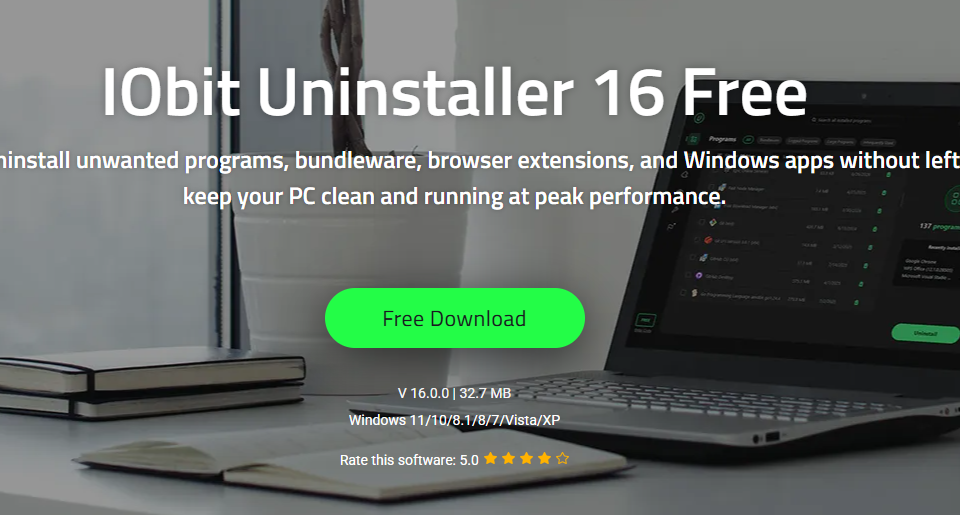
That question eventually led me to IObit Uninstaller 16.
I Was Removing Apps, But Not Everything They Left Behind
My old habit was simple: if I didn’t need a program anymore, I would open Windows’ uninstall settings, remove it, and move on.
I assumed uninstalling meant the software was completely gone. It doesn’t always work that way. Applications can leave behind folders, temporary files, configuration data, installation files, and other traces after they’re removed. Some of those leftovers may not be obvious when browsing through File Explorer.
IObit Uninstaller approaches the process differently. It can scan for residual files after uninstalling software and also look for leftovers from programs that were removed previously. The latest version improves this cleanup capability further, making it easier to find traces that a standard Windows uninstall may leave behind.
That immediately made sense to me. I wasn’t necessarily installing too much software. I was just not cleaning up properly after removing it.
My First Cleanup Was Bigger Than Expected
I started with programs I knew I no longer needed.
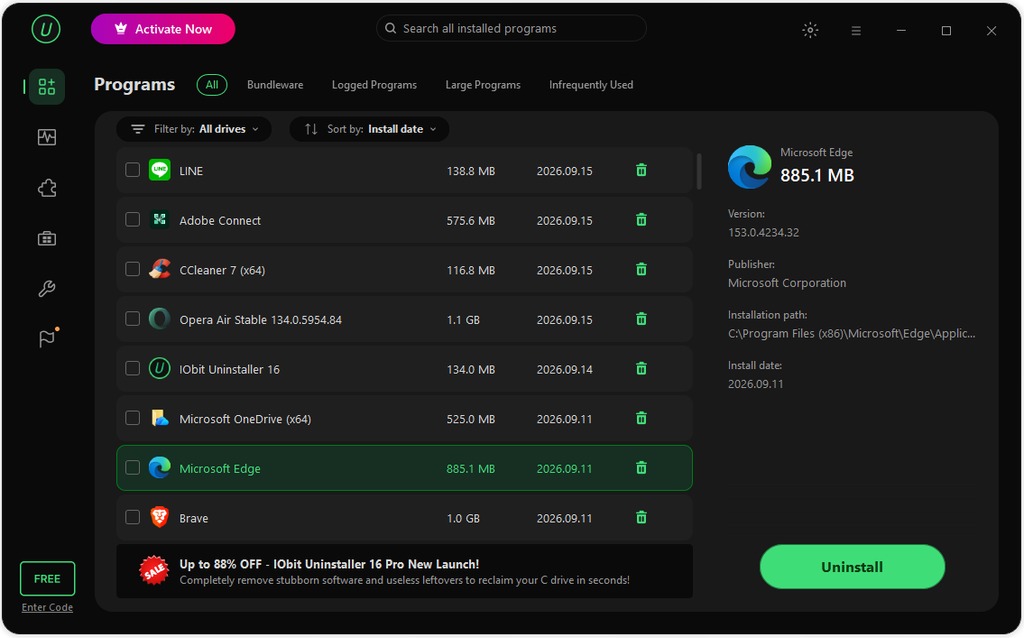
IObit Uninstaller supports batch uninstalling, so I didn’t have to remove every application individually. I could select several unused programs and deal with them in one go. It also categorizes software in a way that makes it easier to identify unused programs, Windows apps, and other types of installed software.
The biggest difference came after the actual uninstall. Instead of simply telling me that the program had been removed, IObit Uninstaller could look for leftover data. That included files and folders that I probably would never have found manually. I didn’t expect every uninstall to recover a huge amount of space. Some programs left almost nothing behind. Others were a different story. After removing several old applications and cleaning their residual data, I finally started seeing my available storage move in the direction I wanted.
I Also Checked My Browser Extensions
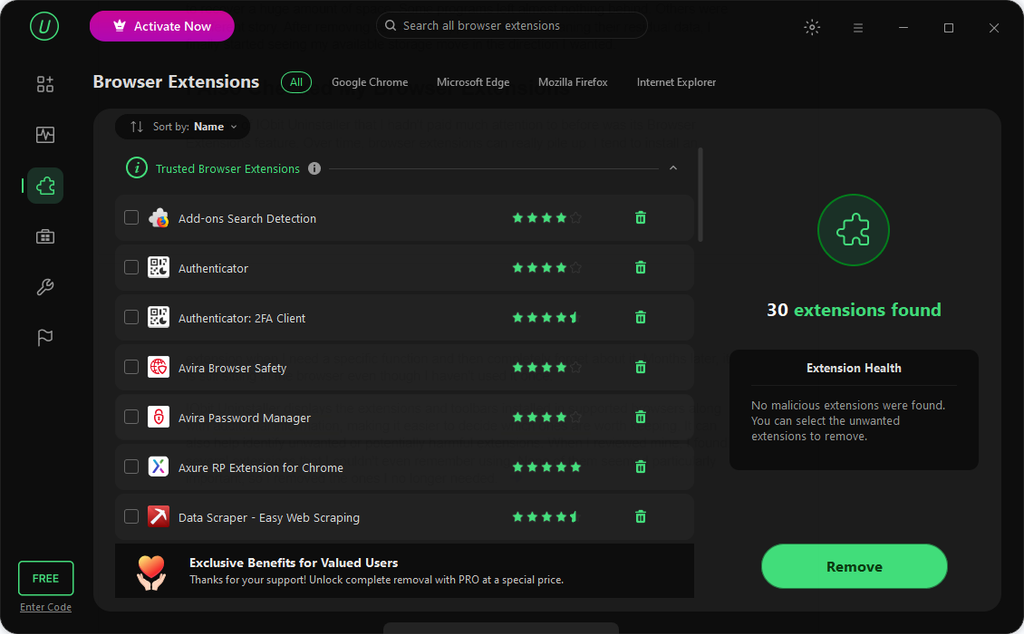
One part of IObit Uninstaller that I hadn’t paid much attention to before was its Browser Extensions feature. Over time, browser extensions can really pile up. I tend to install an extension when I need a specific function and then completely forget about it. Months later, it is still sitting in the browser even though I haven’t used it once.
IObit Uninstaller displays the extensions and toolbars installed in supported browsers along with additional information, making it easier to decide which ones are worth keeping. It can also help identify unwanted or potentially harmful extensions. When I reviewed mine, I found several extensions that I couldn’t even remember using. None of them seemed particularly important, so I removed the ones I no longer needed.
Software Health Gave Me a Bigger Picture
After cleaning out the obvious programs, I ran Software Health.
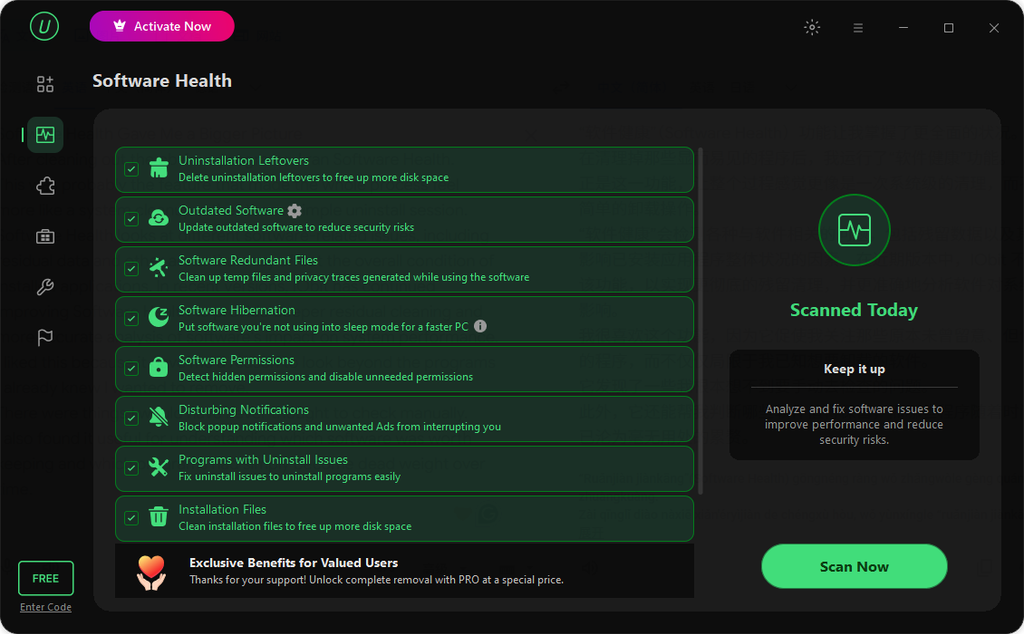
This was probably the feature that made the whole process feel more like a system cleanup rather than a simple uninstall session.
Software Health looks at different software-related issues, including residual data and other areas that may affect the overall condition of installed applications. In recent versions, IObit has continued improving Software Health to provide deeper residual cleaning and more accurate analysis of software’s impact on system performance.
I liked this because it gave me a reason to look beyond the programs I already knew I wanted to remove. There were things I would have never thought to check manually.
I also found it useful for understanding which software was worth keeping and which programs had simply become dead weight over time.
IObit Uninstaller 16 Added Something I Didn’t Know I Needed
After using the older features, I was curious about what had changed in IObit Uninstaller 16.
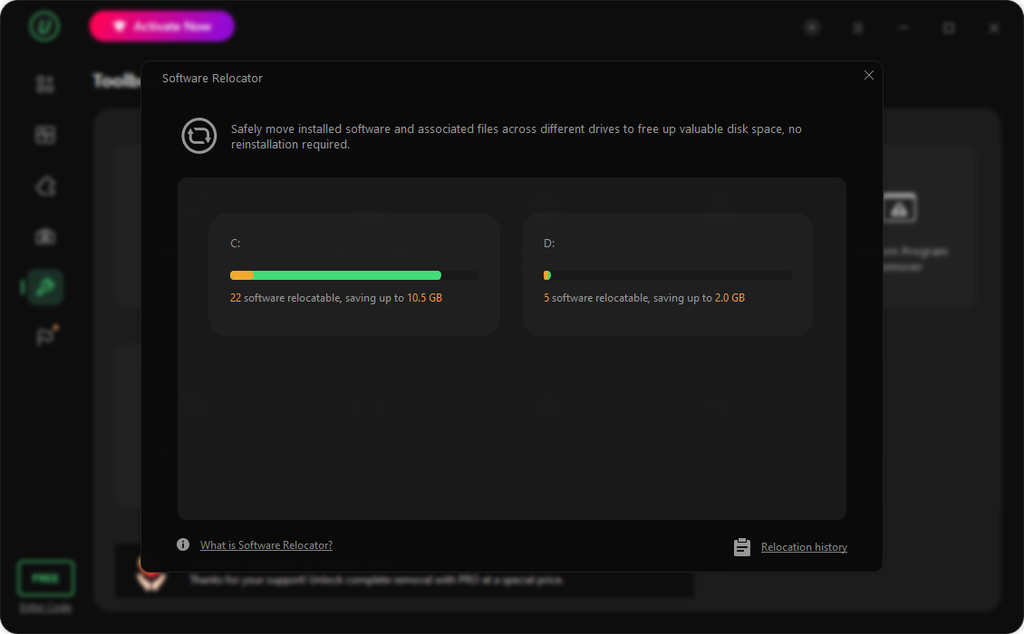
The biggest surprise for me was the new Software Relocator. Normally, if I have a large program installed on my C drive, I have two choices: keep it there or uninstall and reinstall it somewhere else. Neither is particularly convenient.
Software Relocator gives me another option. It can scan installed programs and related large files and move suitable software to another drive without requiring a complete reinstallation.
For a PC with a small system drive, I can see this being genuinely useful. I had a few large applications that I still wanted to use, so deleting them wasn’t really the solution. Moving them to a drive with more free space made much more sense.
It also saved me from going through the whole download-and-install process again.
The New Bloatware Remover Was Another Useful Addition
IObit Uninstaller 16 also adds Bloatware Remover, which focuses on pre-installed Windows apps and system components.
This is another category of software I normally ignore. If Windows came with it, I tend to leave it alone. But IObit Uninstaller 16 provides a clearer way to review these items and remove unwanted pre-installed apps and components. The tool groups them into categories such as Windows Accessories, Windows Features, and Windows Apps.
I wouldn’t recommend removing system components just because they exist. I was selective and only removed things I was confident I didn’t need.
That distinction matters. A good cleanup tool shouldn’t encourage me to delete everything. It should help me understand what can be removed safely.
What I Like Most About It
After using IObit Uninstaller to clean up my PC, I realized that freeing storage isn’t always about deleting personal files.
Sometimes the problem is everything that accumulates around software. Old applications. Uninstall leftovers. Unused browser extensions. Pre-installed apps. Large programs sitting on the wrong drive. IObit Uninstaller brings these problems together in one place, making it a far more capable uninstaller for Windows than the built-in system option.
The new IObit Uninstaller 16 features make it even more practical, especially Software Relocator for moving large programs and Bloatware Remover for dealing with unwanted Windows components.
I started out just trying to recover some storage. What I ended up with was a much cleaner and more organized PC.