

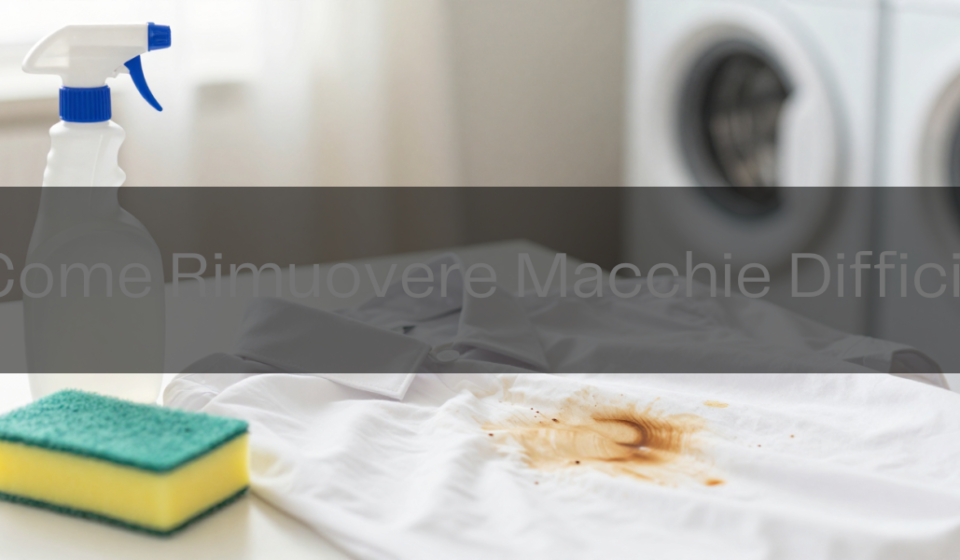

You just spilled a glass of red wine on your new tablecloth, or perhaps you discovered an ink stain on the pocket of your favorite shirt. Panic is the first reaction, but stop right there—with the right approach and a little patience, even the most stubborn stains can be eliminated.
The truth is that success depends almost entirely on two factors: speed of intervention and choosing the right treatment for that specific type of stain. In this comprehensive guide, written for anyone who wants professional results with simple remedies, you’ll discover exactly come rimuovere macchie difficili from any fabric—without ruining your clothes in the process.
The 4 Golden Rules That Save Your Fabrics
Before diving into the details, memorize these fundamental principles. They are your secret weapon and apply to every type of stain on every type of fabric. Understanding these rules is the first step in learning come rimuovere macchie difficili effectively.
1. Act Immediately, but Stay Calm
Time is your worst enemy: the longer a stain remains on the fabric, the deeper its particles penetrate the fibers, making it nearly impossible to remove. Even a quick dab with a dry cloth can make the difference between a saved garment and a permanent disaster.
2. Blot, Don’t Rub
Rubbing a stain is the most common and disastrous mistake you can make. Instead of removing the dirt, you push it deeper into the fabric and spread it, creating an even more difficult halo effect. Always use a clean cloth or paper towel and blot gently to absorb the excess liquid.
3. Use Cold Water on Protein-Based Stains
Hot water and protein-based stains (blood, egg, sweat) are a lethal combination. Heat coagulates the proteins, permanently setting the stain into the fabric. For these types, always use cold water only.
4. Never Dry Before the Stain Is Completely Gone
Putting a stained garment in the dryer or hanging it in the sun before the stain has completely disappeared is the final blow. The heat permanently fixes any remaining residue, making it practically indelible. Always check that the stain is gone after washing before proceeding with drying.
First Aid – Remedies for Every Stain
Every stain has its own “personality” and requires a specific approach. Here are the most effective treatments for the most common and feared stains. When you need to know come rimuovere macchie difficili, start with these targeted solutions.
Red Wine Stain
The stain par excellence, feared by everyone. Expert tip: don’t panic. Act immediately.
- Fresh Stain: Sprinkle the area generously with coarse salt or baking soda. These will absorb the liquid, “pulling out” the color from the fabric. Leave it for a few minutes, then gently brush off the powder and wash the garment.
- Alternative: Pour sparkling water directly onto the stain. The carbon dioxide and acidity help lift the pigment from the fabric.
- Dry Stain: For a dried wine stain, Marsiglia soap remains an unbeatable ally. Rub the soap onto the damp stain and let it sit before washing.
Oil and Grease Stains
Grease stains are tricky because the oil penetrates immediately and leaves greasy halos.
- Absorption Is Key: Immediately, sprinkle the stain with talcum powder, cornstarch, or flour. Let it sit for at least 30 minutes so the product absorbs the grease. Brush off and wash.
- The Power of Degreaser: For pre-wash treatment, dishwashing liquid is a powerful weapon. Its surfactants are designed to dissolve grease. Apply a drop on the stain, let it sit, and wash.
- Post-Wash Grease Stain: If you notice a dark halo after washing, it means the grease hasn’t been removed. Rub the still-damp stain with Marsiglia soap and rewash the garment at the highest temperature allowed by the label.
Coffee and Tea Stains
A classic morning accident.
- Natural Remedy: Prepare a solution with equal parts white vinegar and water. Dab the stain with this mixture, let it sit for half an hour, then wash the garment as usual.
- Emergency Option: Lemon juice, applied directly to the stain, is also a valid ally due to its bleaching power.
Blood Stains
- The Sacred Rule: Cold water, and only cold water. Hot water cooks the blood proteins, permanently fixing the stain. For a fresh stain, run cold water over the back of the fabric until it lightens.
- Dried or Stubborn Stain: If the stain is dry, hydrogen peroxide can come to your rescue. Apply it directly—you’ll see it fizz, removing the residue. White vinegar or sparkling water also works effectively.
Ink Stains
One of the most difficult stains to remove.
- Alcohol Is Your Best Friend: For most inks, ethyl alcohol (90° alcohol) is an effective solution. Place a sheet of paper towel under the fabric and dab the stain with a cotton ball soaked in alcohol. The ink will be absorbed by the paper.
- Warm Milk: This grandmother’s remedy can work on some types of ink. Soak the stained area in lukewarm milk. It’s a gentler method, suitable for less resistant fabrics.
Tomato Sauce Stains
Sauce is a mix of color and grease, making it doubly stubborn.
- Pre-treatment Is Mandatory: Never put a sauce-stained garment directly in the washing machine. The first step is to remove the excess with a cloth.
- The Winning Mix: Apply a paste of baking soda and hydrogen peroxide onto the stain, let it sit for about ten minutes, then wash. This treatment acts on both the color and the grease.
- For Delicate Fabrics: For wool, a mix of coarse salt and lemon juice is gentler and effective.
Other Common Stains
- Chocolate: For a fresh stain, ice prevents the chocolate from penetrating. For dry ones, treatment with talcum powder and dishwashing liquid works as for grease.
- Grass: Dab the stain with white vinegar and leave the garment to soak for several hours or overnight.
- Sweat and Deodorant: Yellow stains on collars and underarms are removed with a paste of baking soda and water, left to act before washing. For deodorant residue, gently rub with baking soda and cold water.
- Rust: Lemon juice and salt mixed together, applied to the stain and left in the sun—but only on white fabrics.
What If the Stain Has Already Been Through the Wash?
Sometimes a stain doesn’t come out in the first wash, or worse, becomes visible after washing. Don’t despair; not everything is lost. Knowing come rimuovere macchie difficili even after they’ve been washed is a skill worth mastering.
- Grease/Oil Stains: As mentioned, Marsiglia soap and a new wash at a higher temperature can still solve the problem.
- Tannin Stains (Wine, Coffee, Fruit): If washing didn’t remove them, sodium percarbonate is your ace in the hole. It’s an oxygen-based bleach that acts without ruining colors. Dissolve a tablespoon in hot water, soak the garment, leave it overnight, rinse, and wash.
- Protein Stains (Blood, Egg, Sauces): These are the most insidious because washing tends to set them. Try rubbing an enzyme-based stain remover or liquid laundry detergent onto the stain. Let it sit and rinse. If that’s not enough, a percarbonate treatment can lighten the colored residue.
Grandma’s Remedies – What Really Works?
Folk wisdom has passed down a series of natural remedies through generations. Let’s find out which ones are truly effective and how to use them. These timeless techniques are part of learning come rimuovere macchie difficili without relying on harsh chemicals.
| Natural Remedy | How to Use | Effective For |
|---|---|---|
| Baking Soda | Make a paste with water and apply to the stain. Let sit and rinse. | Almost everything: sauce, grease, sweat, coffee. |
| White Vinegar | Dilute with equal parts water and dab onto the stain. | Coffee, tea, sweat, grass, wine. |
| Lemon Juice | Apply pure or with salt to the stain. Great for whitening whites. | Fruit stains, ink, rust (with salt). |
| Coarse Salt | Sprinkle over a liquid stain to absorb immediately. | Red wine, liquids in general. |
| Sparkling Water | Pour directly onto the stain. | Wine, fresh blood. |
| Dishwashing Liquid | Apply a drop, rub gently, and let sit. | Any grease or oil stain. |
Tips for Delicate Fabrics: Silk and Wool
Precious fabrics require special care. With silk and wool, delicacy is the watchword. When you need come rimuovere macchie difficili from expensive garments, extra caution is essential.
- General Rule: Before applying any remedy, always test on a hidden spot of the garment.
- No Baking Soda: Baking soda, though versatile, is slightly abrasive and can damage the delicate fibers of silk and wool.
- No Rubbing: Never rub these fabrics. Use only blotting motions.
- Recommended Remedies: Marsiglia soap, sparkling water, and lemon juice are generally safer. For wine stains on silk, white vinegar can be a valid solution.
Mistakes to Avoid That Ruin Garments
Even if you know come rimuovere macchie difficili, one wrong move can ruin everything. Avoid these common errors.
- Using Bleach on Colored Fabrics: Bleach is only for white cottons. On colors, it creates irreparable halos.
- Mixing Too Many Remedies: Using one product after another without rinsing can cause chemical reactions that damage the fabric or set the stain.
- Rubbing Vigorously: As already mentioned, it spreads the stain and ruins the fibers.
- Using Hot Water on Protein Stains: For blood, egg, or sweat, it’s the fatal mistake that sets the stain forever.
- Drying Too Early: Heat locks in stains. Never use a dryer until the stain is completely gone.
Commercial Stain Removers: When to Use Them
Sometimes natural remedies aren’t enough, and you need professional-grade products. Here’s what works best.
| Product Type | Best For | How to Use |
|---|---|---|
| Enzyme-based removers | Protein stains (blood, egg, grass) | Apply directly, leave for 15-30 minutes, then wash. |
| Oxygen bleach (sodium percarbonate) | Wine, coffee, fruit, tea | Soak in hot water with product for 2-8 hours. |
| Solvent-based removers | Ink, grease, oil, paint | Apply to dry stain, wait, then blot and wash. |
| Pre-wash sprays | General everyday stains | Spray before each wash as a preventive measure. |
Stain Removal by Fabric Type – Quick Reference
Not all fabrics respond the same way. Here’s a quick guide on come rimuovere macchie difficili based on what you’re cleaning.
| Fabric Type | Safe Treatments | Avoid |
|---|---|---|
| Cotton | Baking soda, vinegar, lemon juice, oxygen bleach | High heat on protein stains |
| Linen | Same as cotton, plus salt | Strong acids in high concentration |
| Silk | Marsiglia soap, sparkling water, diluted vinegar | Baking soda, rubbing, heat |
| Wool | Cold water, Marsiglia soap, lemon juice (diluted) | Baking soda, hot water, enzyme removers |
| Synthetics (polyester, nylon) | Dishwashing liquid, vinegar, alcohol | High heat, strong bleaches |
| Denim | Salt, baking soda, vinegar | Rubbing (fades color) |
How to Prevent Stains from Setting
An ounce of prevention is worth a pound of cure. Here’s how to stop stains before they become permanent.
- Treat stains immediately – the golden rule of come rimuovere macchie difficili.
- Read garment care labels before attempting any treatment.
- Keep a stain removal kit handy at home and in your travel bag.
- Pre-treat all stains before washing – never throw stained clothes directly into the machine.
- Wash at the right temperature – cold for proteins, warm for oils, hot only for heavily soiled whites.
Real-Life Scenarios: What to Do in Common Emergencies
Let’s put theory into practice. Here’s exactly how to handle five real-world stain emergencies.
Scenario 1: Red Wine Spill at a Dinner Party
Action: Immediately cover the stain with salt. Wait 5 minutes. Brush off. Then pour sparkling water from behind the stain (on the underside) to push it out. Wash as soon as possible.
Scenario 2: Grease Splatter While Cooking
Action: Sprinkle cornstarch or talcum powder immediately. Leave for 30 minutes. Brush off. Apply dishwashing liquid to the spot, let sit for 10 minutes, then wash in warm water.
Scenario 3: Ink Leak in a Bag
Action: Don’t panic. Place the stained area over a paper towel. Soak a cotton ball in 90% alcohol and dab from the top. Change the paper towel underneath as it absorbs ink. Repeat until clean.
Scenario 4: Grass Stain on Kids’ Jeans
Action: Soak the stain in white vinegar for 2 hours. Then apply a paste of baking soda and water directly on the stain. Wash normally. Repeat if needed.
Scenario 5: Blood Stain on a Mattress
Action: Blot with cold water only. Apply hydrogen peroxide directly to the stain. Let it foam and sit for 5 minutes. Blot with a damp cloth. Repeat until the stain fades.
read also : VocalNewsMedia com Review
6. FAQ Section
Q1: What is the first thing I should do when learning come rimuovere macchie difficili?
A: The most important rule is to act immediately. Gently blot (don’t rub) the stain with a clean cloth or paper towel to absorb excess liquid. Then identify the stain type and apply the appropriate remedy.
Q2: Can I use hot water to wash away a blood stain?
A: No, never. Hot water cooks the blood proteins, permanently fixing the stain. Always use cold water. This is one of the most critical rules when learning come rimuovere macchie difficili.
Q3: How can I remove a greasy halo left after a machine wash?
A: Rub the still-damp stain with Marsiglia soap or dishwashing liquid, then rewash the garment at the highest temperature allowed by the fabric label.
Q4: Is white vinegar safe for all fabrics?
A: No, white vinegar should not be used on delicate fabrics like silk or fully synthetic ones. Always test on a hidden spot first.
Q5: What should I do if the stain doesn’t go away after treatment?
A: Repeat the treatment, leaving the product to act longer. Never dry the garment until the stain is completely gone. If the stain is stubborn and the fabric allows it, try sodium percarbonate (oxygen bleach) for a prolonged soak.
Q6: Is baking soda abrasive to fabrics?
A: Baking soda is slightly abrasive, so use it with caution on delicate fabrics like silk and wool. For these, opt for gentler remedies like milk or sparkling water.
Q7: How do I remove an old, set-in stain?
A: Old stains are harder but not impossible. Try an enzyme-based remover for protein stains, oxygen bleach for wine or coffee, and solvent-based removers for ink or grease. Patience is key—multiple treatments may be needed.
Q8: Which commercial product is best for come rimuovere macchie difficili?
A: It depends on the stain. For protein stains, enzyme removers work best. For colored stains like wine, oxygen bleach is excellent. For grease, a good dishwashing liquid or pre-wash spray is ideal.